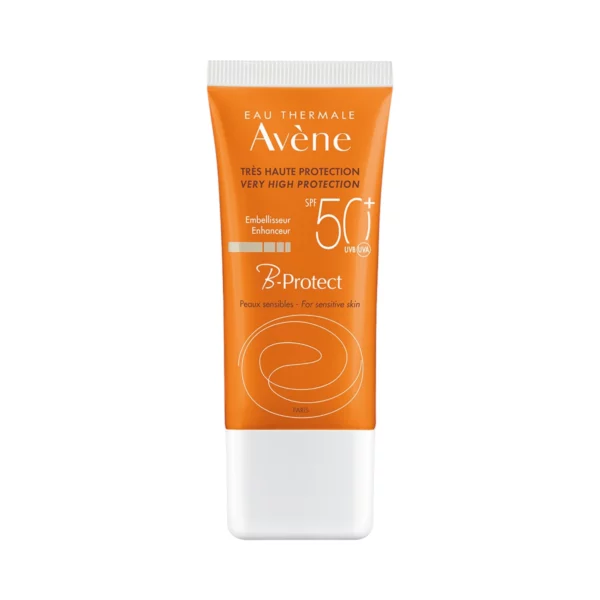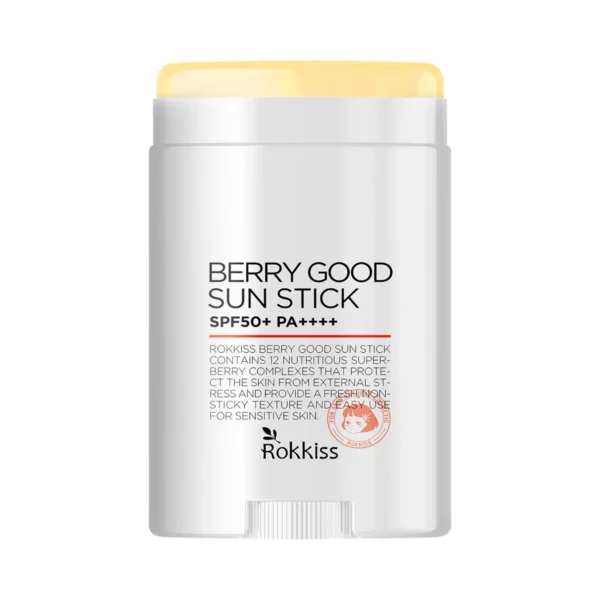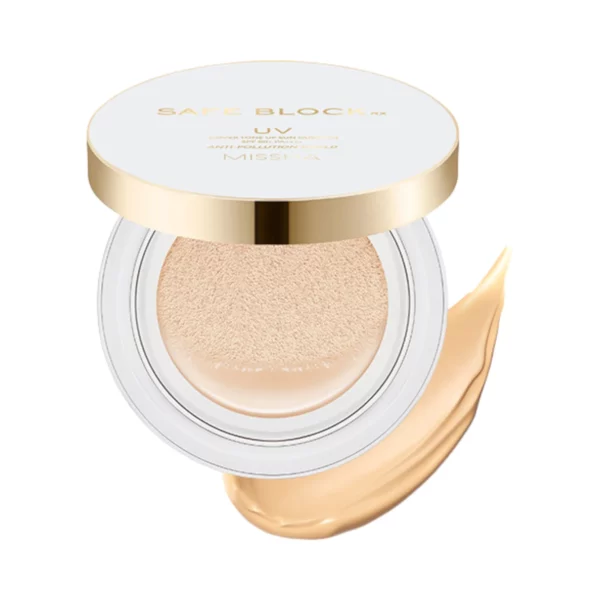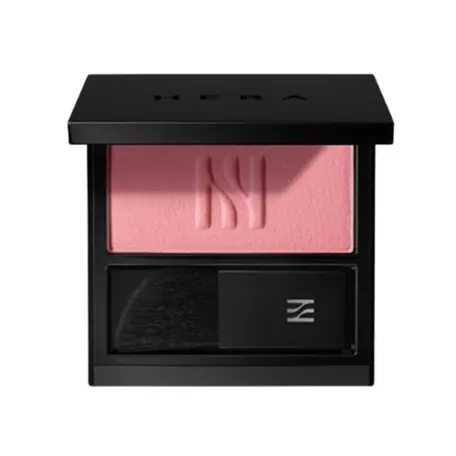



Avobenzone is an essential ingredient in modern sunscreens, providing a powerful defense against the harmful UVA rays responsible for premature skin aging and increasing the risk of skin cancer. These long-wave UVA rays penetrate deep into the skin, causing damage that may not be immediately visible but can have long-term effects, including wrinkles, fine lines, and even skin cancer. In the fight against these unseen threats, Avobenzone stands out as a key player in ensuring broad-spectrum sun protection. This ingredient absorbs UVA radiation and dissipates it as heat, preventing it from causing harm to your skin.
As the skincare world grows more conscious of the importance of UV protection, Avobenzone has become a foundational ingredient in sunscreens. Not only does it protect the skin from the aging effects of UVA exposure, but it also enhances the overall efficacy of sunscreens by providing long-lasting UVA protection. Unlike UVB filters, which primarily prevent sunburn, Avobenzone offers comprehensive protection against both UVA and UVB rays, making it a must-have for anyone looking to safeguard their skin from the sun’s damaging effects. Let’s explore the significance of Avobenzone and how it works to keep your skin safe under the sun.
What Is Avobenzone?
Avobenzone is a chemical filter that specifically targets long-wave UVA rays, which are known to penetrate deep into the skin, contributing to aging and skin damage. This ingredient is highly effective at absorbing these harmful rays and dissipating them as heat, providing a protective barrier. It works best when combined with stabilizers in sunscreen formulations to ensure prolonged protection without degradation.
Unlike other sunscreen ingredients that primarily focus on blocking UVB rays (the ones responsible for sunburn), Avobenzone offers comprehensive protection against UVA rays, which is critical for long-term skin health. As an oil-soluble compound, it is highly effective in small concentrations, making it a popular choice in sunscreens that need to deliver high performance without being overly greasy.
Mechanism of Action
The effectiveness of Avobenzone lies in its ability to absorb UVA radiation. When exposed to UV rays, the molecule absorbs the energy and converts it into harmless heat, thereby preventing the UV radiation from penetrating deeper into the skin. This mechanism of action not only prevents immediate sunburn but also protects against long-term skin damage that can lead to premature aging and an increased risk of skin cancer.
Avobenzone is most effective when used in combination with UVB filters. This synergy between UVA and UVB protection is what makes broad-spectrum sunscreens so effective. By pairing Avobenzone with other filters, sunscreen formulations can offer comprehensive protection against both UVA and UVB rays.
Photostability and Formulation Challenges
One of the key challenges with Avobenzone is its photostability. Unlike some other sunscreen ingredients, Avobenzone tends to degrade quickly when exposed to sunlight. This degradation reduces its ability to effectively protect against UVA rays over time. To combat this, Avobenzone is often paired with stabilizers like Octocrylene, Tinosorb S, or Mexoryl SX. These stabilizers help preserve Avobenzone’s efficacy and enhance its performance in sunscreens, ensuring long-lasting protection even during extended sun exposure.
Formulation quality plays a critical role in Avobenzone’s effectiveness, as its stability is highly dependent on the overall blend of ingredients. Without proper stabilizers like Octocrylene, Tinosorb S, or Mexoryl SX, Avobenzone can degrade quickly when exposed to sunlight, diminishing its protective capabilities. High-quality formulations help prevent this degradation, ensuring that Avobenzone remains effective in protecting against UVA rays throughout the day. Additionally, the formulation’s texture, absorption, and suitability for different skin types, such as non-comedogenic for acne-prone skin, are essential for optimal performance. Therefore, selecting sunscreens with well-balanced, stable formulations ensures long-lasting, broad-spectrum protection while maintaining skin compatibility.
Regulatory Status and Safety
Avobenzone is approved for use in sunscreens in many countries, including the United States and the European Union, though there are specific concentration limits. In the U.S., Avobenzone is allowed in concentrations of up to 3%, while the EU permits concentrations of up to 5%. This broad acceptance underlines the ingredient’s safety and effectiveness in protecting the skin from harmful UV radiation.
Extensive studies have shown that Avobenzone has a low irritation risk, making it safe for daily use on most skin types. However, as with any skincare ingredient, there may be rare cases of sensitivity. It is always advisable to do a patch test before using a new sunscreen, especially if you have sensitive skin.
Environmental Impact
While ingredients like Oxybenzone have been widely discussed for their potential environmental impact, especially on coral reefs, Avobenzone has not been as extensively studied in this regard. That said, there is some research underway to assess its reef safety and overall environmental footprint.
In response to growing concerns over the environmental impact of sunscreens, many brands are formulating their products with reef-safe ingredients. Avobenzone, when paired with stabilizers such as Octocrylene, is often included in these eco-conscious formulations, as it provides effective UVA protection while minimizing harm to marine life.
Skin Compatibility
Avobenzone is suitable for most skin types, including oily and acne-prone skin. Its oil-soluble nature makes it a great fit for facial sunscreens, where it can provide effective protection without leaving a greasy residue. In addition to protecting against UVA rays, Avobenzone is commonly found in anti-aging SPF products due to its ability to prevent photoaging the premature aging of skin caused by prolonged sun exposure.
However, while Avobenzone is generally well-tolerated, there is a possibility of mild sensitivity in rare cases. Individuals with very sensitive skin should be cautious and perform a patch test before using any sunscreen containing this ingredient.
Conclusion: Protect Your Skin with Avobenzone
With the increasing awareness of the harmful effects of UVA rays, Avobenzone has emerged as a crucial ingredient in broad-spectrum sunscreens. Its ability to absorb and dissipate UVA radiation makes it an indispensable part of sunscreen formulations designed to protect against premature aging and skin cancer.
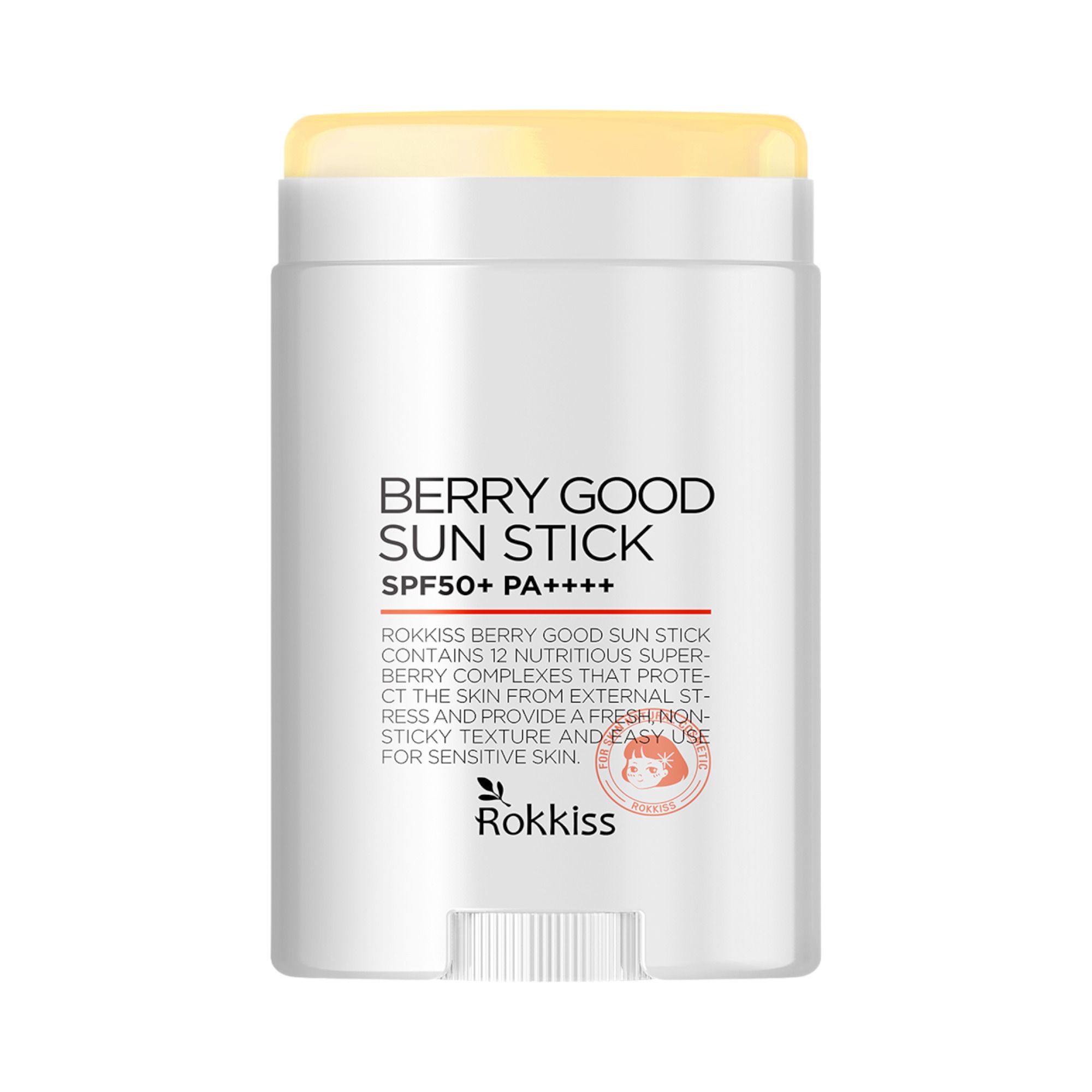
If you’re looking for effective, high-quality sunscreen options that provide comprehensive protection for your skin, make sure to choose products with Avobenzone as a key ingredient. Whether you have oily, acne-prone, or sensitive skin, Avobenzone is a skin-compatible and highly effective sunscreen agent that helps you stay safe under the sun. For the best in sunscreen protection, turn to Skin Seoul, your go-to destination for premium skincare products that prioritize both your skin’s health and the environment.
Stay protected, stay radiant!