
A cooling pad, a soothing cream and a barrier cream may all promise comfort, but they do not do the same job. Cell Fusion C’s shelf is easier to navigate when you stop looking for one definitive “sensitive-skin routine” and start with a more useful question: what step is missing from yours?
The South Korean brand offers everything from a low-pH cleanser to a centella-based pad, two quite different creams and a daily sunscreen. You do not need all of them. Here is a grounded way to compare six SkinSeoul listings without treating “cica,” “barrier” and “derma” as interchangeable promises.
Start with the job, not the buzzword
A cleanser removes the day’s sunscreen and surface grime. A serum adds a leave-on layer. A cream helps skin feel comfortable and reduces that tight, dry feeling. A sunscreen protects exposed skin from UV; neither a soothing pad nor a moisturiser substitutes for it.
“Low pH” describes a formulation choice, not proof that a product cannot irritate. “Cica” generally refers to centella-derived ingredients, but the finished formula, your own skin and the way you use it matter more than the label. If skin is raw, persistently inflamed or reacting to everything, pause new products and seek individual medical advice rather than building a larger routine.
The gentle base: cleanse, then decide whether you need a serum
Low pH Barrier Cleansing Foam is the brand’s wash-off starting point. SkinSeoul’s listing describes a soft foam designed to cleanse without leaving the face feeling tight; its ingredient list includes glycerin. Use it to remove everyday residue, rinse thoroughly and judge it by how your skin feels afterward. A “barrier” name does not make the cleanser a leave-on barrier treatment.
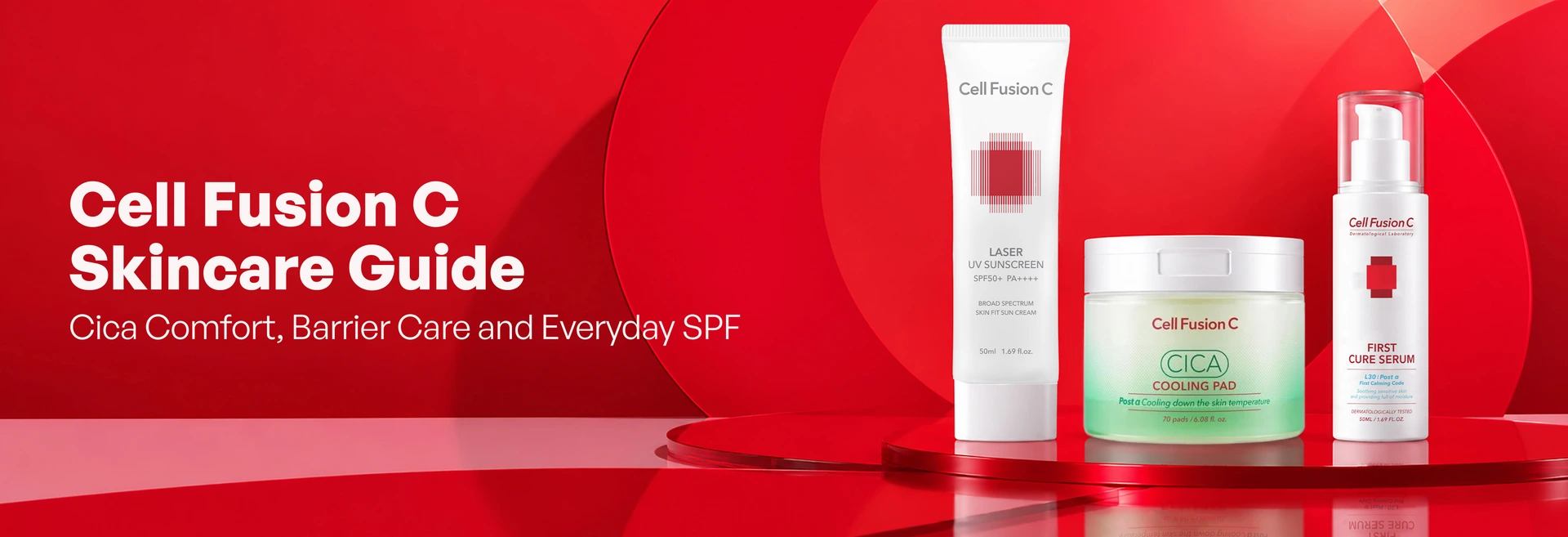
For a leave-on step, First Cure Serum takes a different direction. The catalog highlights guaiazulene, oat kernel extract, beta-glucan and ceramide NP in a serum positioned for soothing-feeling hydration. Apply it after cleansing and before cream if you want another moisture-focused layer. If your regular moisturiser already does the job, the serum is optional—not a prerequisite for healthy skin.
Two creams, two ways to answer dryness
Low pH pHarrier Cream is the straightforward choice when the main complaint is tightness or dry-feeling skin. Its listed ingredients include glycerin, ceramide NP and phytosphingosine. The brand’s “pHarrier” name combines pH and barrier language; what matters day to day is whether its texture sits comfortably on your face. Start with a small amount after any serum, then adjust to the weather and your skin’s response.
Cica Calming Down Cream is a different option, not an automatic upgrade. The SkinSeoul listing names centella asiatica extract, madecassoside, ceramide NP and glycerin, and describes a green-tinted formula intended to visually counter the look of redness. That cosmetic colour effect is distinct from treating the cause of redness. If your face is reactive, patch-test the finished formula and stop if it stings. Persistent redness deserves a clinician’s opinion.
You can choose one cream rather than stacking both. Prefer the pHarrier cream if you want a conventional moisture-focused finish; investigate the Cica cream if you are also interested in its green-tinted appearance. Neither listing establishes how it will look on every skin tone, so check images and the current product page before buying.
The optional cooling step: a pad, not a mandatory daily ritual
Post Alpha Cica Cooling Pad is a pre-soaked pad listed with centella asiatica extract, madecassoside, glycerin and beta-glucan. It offers a quick, cooling-feeling format when you want a refreshing step after cleansing. It is not the same thing as the brand’s cleansing foam, and a pad is not evidence that your routine needs daily exfoliation.
Lay a pad gently on the skin or sweep without scrubbing, following the pack directions. Do not rub it over broken or unusually irritated areas. If you already use a serum and cream you like, the pad is the easiest step to leave out.
The morning anchor: Laser UV Sunscreen
Laser UV Sunscreen [SPF50+/PA++++] is the daytime protection step in this edit. SkinSeoul lists zinc oxide, titanium dioxide and niacinamide among its key ingredients and describes a lightweight, adhering texture. Those ingredient details do not predict its finish on every complexion; assess feel and any visible cast on your own skin.
Apply the labelled amount as the last skincare step in the morning and reapply according to the product directions, particularly during outdoor exposure, sweating or swimming. Check the pack for its specific water-resistance guidance. A BB cream or a thin makeup layer with SPF should not be assumed to provide the same protection as a properly applied sunscreen.
Build a smaller Cell Fusion C routine
| Your priority | Start here | Add only if useful |
|---|---|---|
| Simple daily care | Low pH Barrier Cleansing Foam, one comfortable cream, Laser UV Sunscreen by day | First Cure Serum for an extra leave-on layer |
| Dry-feeling skin | Low pH pHarrier Cream after cleansing | First Cure Serum underneath if you enjoy layering |
| Cooling-feeling care | Your usual cleanser and moisturiser | Post Alpha Cica Cooling Pad occasionally; consider Cica Calming Down Cream for its different finish |
Introduce one new formula at a time and watch how your skin responds. Patch-testing is especially sensible when your skin is already unsettled. Product availability and formulations can change, so check the current listing and packaging for the ingredient list, directions and sunscreen label rather than relying on a routine chart alone.
Cell Fusion C’s appeal is choice, not the need to collect every line. Pick a cleanser that leaves skin comfortable, one moisturising finish you actually enjoy, and sunscreen you will wear consistently. Everything else earns its place only if it makes that small routine feel better.