


Oxybenzone has been a staple in sunscreens for years, but growing public concern has now placed this chemical at the center of a heated debate. Initially praised for its effectiveness in protecting skin from harmful UV rays, Oxybenzone is now under intense scrutiny due to its potential health risks and environmental impact. As consumers become increasingly aware of the ingredients in their skincare products, many are questioning the safety of Oxybenzone, prompting calls for greater transparency and reform. This shift in awareness is spurred by emerging studies linking Oxybenzone to hormone disruption, as well as its negative effects on marine ecosystems. With the rising demand for cleaner, safer alternatives, this article will dive into the science behind Oxybenzone, the concerns associated with its use, and the alternatives gaining popularity in modern sunscreens.
The conversation surrounding Oxybenzone goes beyond individual health concerns. It also highlights the need for environmental responsibility in the beauty industry. Research has shown that Oxybenzone contributes to coral bleaching and poses a threat to marine life, leading several regions to ban sunscreens containing this chemical. As people seek out more eco-conscious skincare options, the demand for reef-safe alternatives has surged. This shift is not just a trend, but a significant change in consumer values, with a focus on protecting both personal health and the planet. Despite these growing concerns, Oxybenzone remains a common ingredient in many sunscreens, making it crucial for consumers to understand the risks and explore safer options.
1. What Is Oxybenzone?
Oxybenzone, also known as Benzophenone-3, is a chemical compound commonly used in sunscreens for its ability to absorb harmful UVB and short UVA rays. It is an oil-soluble substance, making it effective even in low concentrations, and is often incorporated into many over-the-counter (OTC) sunscreen formulas. Oxybenzone is part of a family of chemical UV filters, which are formulated to shield the skin from the sun’s damaging rays, preventing sunburns and long-term skin damage.
Though effective, the rising public awareness of Oxybenzone’s potential risks has led many to reconsider its presence in sunscreen products. For consumers who are more conscious about the chemicals they apply to their skin, Oxybenzone’s safety profile has become an important point of concern.
2. How It Works
The way Oxybenzone protects the skin from UV damage is quite fascinating. Once applied, it works by converting harmful ultraviolet (UV) radiation into heat, which is then dissipated, preventing it from penetrating the skin and causing sunburn. By doing so, Oxybenzone helps to prevent the immediate effects of sun exposure, as well as long-term damage like premature aging and increased risk of skin cancer.
Oxybenzone is often used in combination with other sunscreen ingredients like Avobenzone and Octinoxate to provide broad-spectrum protection, absorbing both UVA and UVB rays. Despite its effectiveness, Oxybenzone is limited to a concentration of 6% in sunscreen products in the U.S., and this regulation is continually being examined as new research emerges.
3. Health and Safety Concerns
One of the major reasons Oxybenzone has come under fire is its potential effects on human health. Research has raised concerns about its ability to disrupt hormone activity, as Oxybenzone has been shown to be absorbed into the bloodstream through the skin. Studies have detected the presence of Oxybenzone in human urine, blood, and breast milk, sparking fears that it could interfere with the body’s endocrine system. While the evidence is still being evaluated, these findings have led to ongoing debates about the long-term safety of using sunscreens containing this ingredient, especially for vulnerable populations like pregnant individuals and young children.
Further, the FDA and other regulatory bodies are re-evaluating the safety of Oxybenzone as new studies emerge. Despite these concerns, many sunscreen products continue to contain Oxybenzone, leaving consumers with the difficult decision of balancing sun protection with potential health risks.
4. Environmental Impact
Beyond human health, Oxybenzone also raises significant environmental concerns, particularly in relation to marine life. Research has shown that Oxybenzone contributes to coral bleaching and has toxic effects on marine ecosystems. When sunscreen is washed off the skin and into the ocean, it can harm coral reefs, which are vital to marine biodiversity. Oxybenzone has been linked to disruptions in coral reproduction, leading to coral death in areas where these chemicals accumulate.
In response to these environmental risks, places like Hawaii and Palau have implemented bans on sunscreens containing Oxybenzone, urging consumers to opt for reef-safe alternatives. This growing trend reflects a shift in consumer preferences toward more environmentally friendly and sustainable sunscreens.
5. Alternatives in Modern Sunscreens
As public concern over Oxybenzone’s health and environmental impact grows, several alternatives have emerged that are considered safer for both people and the planet. One of the most popular options is Tinosorb S, a chemical sunscreen filter that provides broad-spectrum protection without the same concerns as Oxybenzone. Mexoryl SX is another promising alternative, known for its stability and effective UV protection. Uvinul A Plus, a modern sunscreen agent, is also gaining traction as a safer option.
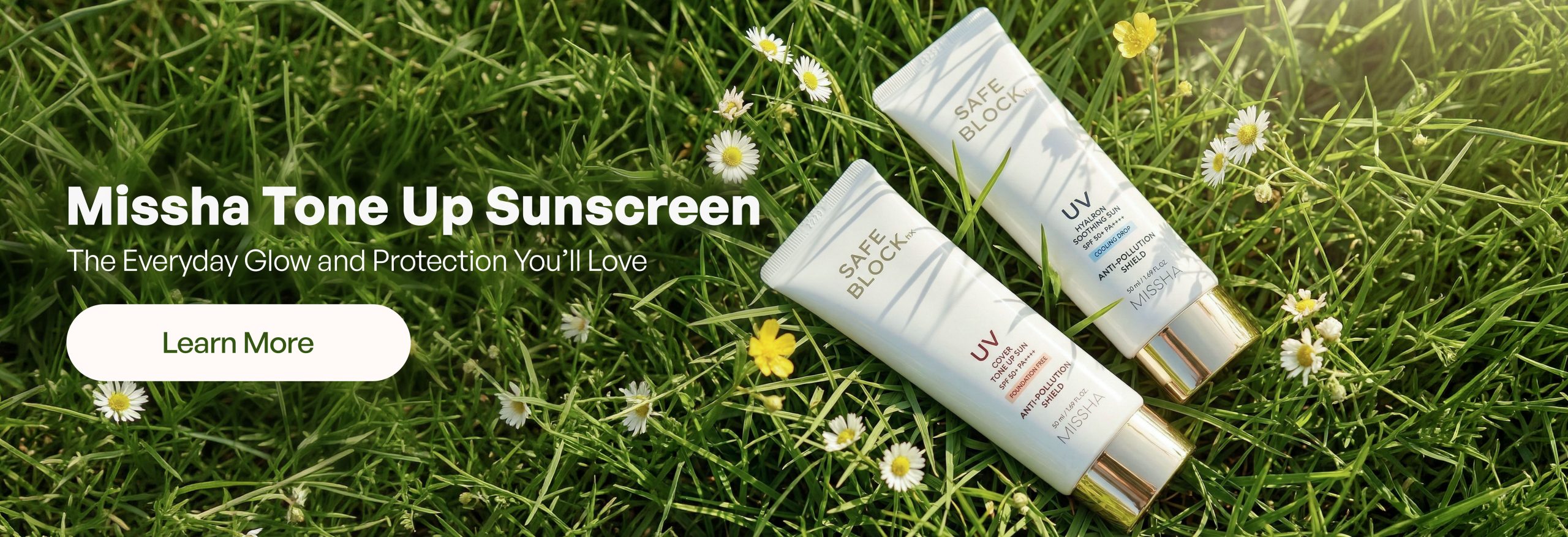
For those who prefer mineral sunscreens, Zinc Oxide and Titanium Dioxide are two natural alternatives that offer effective protection without the concerns associated with chemical filters. Mineral sunscreens sit on the skin’s surface, reflecting UV rays, and are generally considered safer for sensitive skin and the environment.
The shift towards reef-safe sunscreens, free of Oxybenzone and similar chemicals, is becoming more apparent. Consumers are increasingly prioritizing clean-label products, and companies are responding by formulating sunscreens that are both safe for the skin and the environment.
6. Skin Compatibility
Despite the growing availability of alternatives, Oxybenzone is still widely found in many OTC sunscreens. While it is effective in preventing sunburn and other skin damage, it may not be suitable for everyone. People with sensitive skin or allergies may experience irritation or allergic reactions when using products that contain Oxybenzone. Additionally, individuals with skin conditions such as eczema or rosacea may need to avoid sunscreens with Oxybenzone, as it can exacerbate symptoms.
It is also recommended that children, pregnant individuals, and those with a history of hormone-related issues steer clear of sunscreens containing Oxybenzone. As a result, the demand for safer, more gentle alternatives has surged, with consumers looking for options that provide sun protection without compromising their health.