


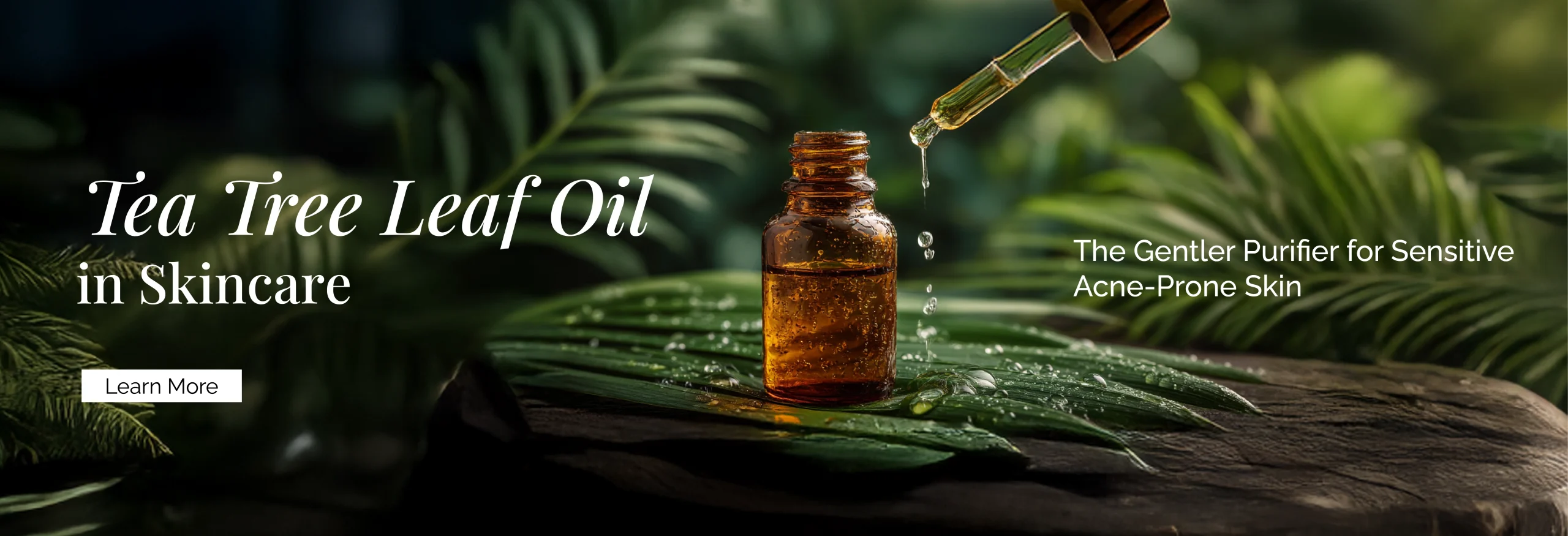
Tea Tree Leaf Oil has become one of the most talked-about botanical ingredients in modern skincare, and for good reason. Once known mainly as a staple in natural remedies, it has now entered the realm of K-beauty, where it’s transformed into a more refined and gentle form suitable for even the most sensitive skin.
This article dives deep into what makes Tea Tree Leaf Oil so effective for acne-prone and oily skin types, especially for those who feel overwhelmed by harsher synthetic treatments. If you’re searching for a soothing yet powerful plant-based solution for blemishes, clogged pores, or inflammation, this might just be the natural hero you’ve been looking for.
Ahead, we’ll walk you through what Tea Tree Leaf Oil really is, how it differs from traditional Tea Tree Oil, and why it’s a smart addition to sensitive skincare routines. With expert insights and science-backed explanations, you’re about to discover the gentler side of tea tree power.
What Is Tea Tree Leaf Oil?
Tea Tree Leaf Oil is an essential oil extracted specifically from the leaves of the Melaleuca alternifolia plant, native to Australia. It’s long been celebrated for its antibacterial and anti-inflammatory properties, but when formulated for skincare, it undergoes careful refinement to ensure it is stable, effective, and less likely to irritate the skin.
It’s important to clarify that Tea Tree Leaf Oil is not the same as the generic Tea Tree Oil you might find in essential oil blends or aromatherapy. The leaf-derived version is typically cosmetic-grade, meaning it has been filtered and standardized for skincare applications. This makes it far more suitable for delicate facial skin, especially when incorporated into K-beauty products that prioritize gentle yet high-performing ingredients.
What makes Tea Tree Leaf Oil stand out is its ability to deliver acne-fighting benefits without the sting or dryness often associated with traditional Tea Tree Oil or synthetic alternatives. Think of it as the clean, calibrated version of an old-school natural remedy.
Tea Tree Leaf Oil vs. Tea Tree Oil: What’s the Difference?
While the names are often used interchangeably, there are key distinctions between Tea Tree Oil and Tea Tree Leaf Oil, particularly when it comes to skincare safety and effectiveness.
Tea Tree Oil is a broad category that may include raw or pure essential oil forms. It’s typically very potent and can be irritating when applied directly to the skin without dilution. This type is more commonly found in over-the-counter acne spot treatments or home remedies.
In contrast, Tea Tree Leaf Oil refers to a refined, cosmetic-grade version derived from the plant’s leaves. It’s designed for regular topical use and is less likely to cause irritation, especially when blended with soothing or hydrating ingredients.
Here’s a quick breakdown of the two:
|
Feature |
Tea Tree Oil | Tea Tree Leaf Oil |
| Source | Melaleuca alternifolia (generic form) |
Melaleuca alternifolia leaves |
|
Concentration |
Often pure or highly concentrated | Refined and diluted for skincare |
| Use Case | Aromatherapy, OTC acne treatment |
Daily-use skincare (cleansers, serums) |
|
Irritation Risk |
High if undiluted | Low when formulated properly |
| Best For | Spot treating severe acne |
Gentle daily care for sensitive skin |
If you’re looking for a daily anti-acne solution that won’t throw your skin barrier into chaos, Tea Tree Leaf Oil is the smarter, skin-friendlier choice.
Skin Benefits of Tea Tree Leaf Oil
Tea Tree Leaf Oil is prized for being both natural and functional, offering several core benefits for problem-prone skin:
- Anti-acne: The ingredient helps combat Cutibacterium acnes (C. acnes), the bacteria that contribute to acne breakouts. Its antimicrobial action helps keep pores clear and reduces the risk of new blemishes forming.
- Anti-inflammatory: Unlike many conventional acne treatments that cause redness or flaking, Tea Tree Leaf Oil works to calm the skin, making it especially helpful for inflamed pimples or reactive T-zones.
- Oil-control: By helping to regulate sebum production, this oil can reduce the shine and clogged pores often experienced by oily and combination skin types.
- Mild astringent: It gently tightens the appearance of pores, giving skin a cleaner, more refined look without over-drying.
These qualities make Tea Tree Leaf Oil an excellent botanical alternative to ingredients like salicylic acid or benzoyl peroxide, which can be too strong for some skin types. For those aiming to detox their skincare routine without compromising results, this ingredient hits the sweet spot.
Is It Safe for Sensitive Skin?
The word “oil” often raises red flags for sensitive skin types, but when it comes to Tea Tree Leaf Oil, it’s all about how it’s used.
In modern Korean skincare, this ingredient is almost never used in its raw form. Instead, it is carefully diluted and buffered with hydrating agents like hyaluronic acid, panthenol, or Centella extract. This makes it a safe and soothing option for daily use, even on reactive skin.
Of course, essential oils can still trigger reactions in rare cases. That’s why dermatologists recommend patch testing any new product before applying it to your full face. A pea-sized amount on the inner wrist or behind the ear for 24 hours is often a good way to assess tolerance.
Used appropriately and not layered with too many active ingredients (like exfoliating acids or retinoids), Tea Tree Leaf Oil can be a gentle ally rather than a skin stressor.
How to Use Tea Tree Leaf Oil in Your Routine
There are several effective ways to incorporate Tea Tree Leaf Oil into your skincare, depending on your needs:
- Cleansers: Ideal for removing excess sebum and acne-causing impurities without drying the skin. Look for low-pH, sulfate-free formulas to maintain skin balance.
- Spot treatments: When used in a gel or serum, Tea Tree Leaf Oil can help reduce the size and redness of active pimples without causing peeling or irritation.
- Serums and gels: Perfect for oily T-zones or blemish-prone cheeks. These allow for targeted care, especially when combined with balancing ingredients like niacinamide or zinc.
Pro tip: Avoid combining Tea Tree Leaf Oil with powerful actives like retinol or AHAs/BHAs in the same routine. Doing so may increase your risk of irritation. Instead, alternate or space them out across your AM/PM regimen.
Who Should Try Tea Tree Leaf Oil Products?
Tea Tree Leaf Oil is not a one-size-fits-all solution, but it shines in the right hands, especially for those who are frustrated by chronic breakouts or greasy skin.
Best suited for:
- People with acne-prone skin, including hormonal or maskne breakouts
- Those with oily or combination skin looking to reduce shine
- Individuals who want a natural antibacterial alternative to harsher acne actives
- Skin types that are sensitive to synthetic ingredients, including salicylic acid or alcohol-based treatments
That said, individuals with extremely dry or eczema-prone skin should proceed with caution. Unless the formula includes plenty of moisture-retaining ingredients, Tea Tree Leaf Oil may feel too drying. Always check the ingredient list and ensure it’s in a barrier-supportive formula if your skin is on the drier side.
Ingredients That Pair Well with Tea Tree Leaf Oil
For optimal results, Tea Tree Leaf Oil should be part of a balanced formula that supports both treatment and hydration. These ingredients create synergy with tea tree’s purifying action:
- Centella Asiatica: Known for its calming and healing properties, it reduces the risk of irritation and supports skin recovery.
- Niacinamide: A superstar ingredient for oil control, brightening, and reinforcing the skin barrier. It enhances the effectiveness of Tea Tree Leaf Oil by keeping oil in check without over-drying.
- Panthenol (Vitamin B5): Provides essential hydration and soothes inflammation, making it ideal for maintaining skin comfort when using tea tree-based products.
- Zinc PCA: Regulates sebum and provides an added antimicrobial boost. Often found in acne formulations, it works beautifully alongside Tea Tree Leaf Oil to clarify the skin without stripping it.
Together, these ingredients create a multi-pronged approach to acne and oil management, the K-beauty way: gentle, hydrating, and consistently effective.
Final Thoughts
Tea Tree Leaf Oil is more than a trend, it’s a trusted botanical solution that has been thoughtfully adapted to meet the demands of modern skincare. For those dealing with blemishes, irritation, or oily skin, it delivers potent benefits in a far gentler package than traditional Tea Tree Oil.
Thanks to its refined formulation and synergy with barrier-friendly ingredients, Tea Tree Leaf Oil is a standout choice for anyone looking to purify their skin without compromising its balance. It’s nature’s way of tackling acne, clean, calming, and consciously crafted.
If you’re aiming for clearer skin with fewer flare-ups and more peace of mind, Tea Tree Leaf Oil deserves a spot in your routine.
Where to Shop Tea Tree Leaf Oil Skincare at Skin Seoul
Ready to experience the benefits of Tea Tree Leaf Oil for yourself? Explore our curated collection of gentle, effective Korean skincare products featuring this powerhouse ingredient. Some of our top picks include:
1. Lindsay Huge AC Control Ampoule 500ml
This extra-large ampoule from Lindsay is designed for professional-strength calming care, perfect for inflamed or blemish-prone skin. Formulated with Tea Tree Leaf Oil and botanical extracts, it delivers targeted soothing benefits to help reduce redness, control breakouts, and restore balance to oily or combination skin. Despite its powerful effects, it’s gentle enough for daily use and works great under lightweight moisturizers or sheet masks.
- Key Ingredients: Tea Tree Leaf Oil, Centella Asiatica Extract, Houttuynia Cordata, Licorice Root Extract
- Key Benefits: Clarifies skin, soothes irritation, reduces acne-causing bacteria, hydrates and refreshes skin tone
|
Pros |
Cons |
| Large 500ml size offers great value |
Bulky bottle not ideal for travel |
|
Formulated for professional and home use |
No built-in dropper |
| Calms active acne with minimal sting |
May require extra moisture for dry skin |
|
Suitable for use on face and body |
Fragrance may not suit sensitive noses |
| Works well layered with sheet masks |
Needs consistent use for best results |
Where to Buy: Lindsay Huge AC Control Ampoule 500ml (1 piece)
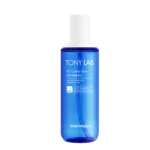
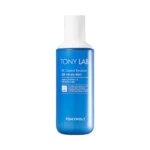
2. TONYMOLY Tony Lab AC Control Set
This double-pack set from TONYMOLY is a budget-friendly acne solution for those struggling with both surface blemishes and deep congestion. Featuring Tea Tree Leaf Oil as a core active, it includes an acne foam cleanser and toner that work in synergy to control sebum, minimize pore appearance, and calm inflammation. Great for teens or adults navigating oily, reactive skin.
- Key Ingredients: Tea Tree Leaf Oil, Salicylic Acid, Niacinamide, Witch Hazel
- Key Benefits: Cleanses impurities, tones without stripping, minimizes acne formation, balances oil production
|
Pros |
Cons |
| Two-step system for complete routine |
May be too drying for very dry skin |
|
Tea Tree and Salicylic duo target breakouts fast |
Toner contains alcohol |
| Affordable full-size set |
Foam may feel too strong for sensitive skin |
|
Helps tighten and refresh pores |
Not fragrance-free |
| Great intro set for teens or beginners |
Minimal hydration—pair with a moisturizer |
Where to Buy: TONYMOLY Tony Lab AC Control Set (2packs/1set)
3. Ariul Daily Pick Peeling Pads
These gentle peeling pads from Ariul are infused with Tea Tree Leaf Oil to gently exfoliate and purify acne-prone skin without over-stripping. Designed for daily or every-other-day use, the dual-sided pads help lift away dead skin cells, unclog pores, and leave your skin feeling clean, smooth, and refreshed. Ideal for sensitive users who need exfoliation but want to avoid harsh acids.
- Key Ingredients: Tea Tree Leaf Oil, LHA, PHA, Centella Asiatica Extract
- Key Benefits: Exfoliates gently, clears pores, reduces oil and buildup, soothes and prevents breakouts
|
Pros |
Cons |
| LHA and PHA are gentler than AHA/BHA |
May tingle on open acne |
|
Dual-sided pad adds physical exfoliation |
Slightly drying without follow-up hydration |
| Convenient for travel and gym use |
Lid must be tightly closed to avoid drying out |
|
Tea Tree helps prevent future breakouts |
Not eco-friendly (disposable pads) |
| Soothing enough for sensitive skin |
Best used with a calming toner or serum |
Where to Buy: Ariul Daily Pick Peeling Pads (30 sheets)
Browse the full selection of Tea Tree Leaf Oil skincare on Skin Seoul and let your journey to calmer, clearer skin begin.